
 From Norse gods to Native American coyote tales, the trickster is the most durable character in world folklore — and the one who tells us the most about ourselves.

The Crane Wife: A Japanese Tale of Trust, Secrets, and the Cost of Curiosity
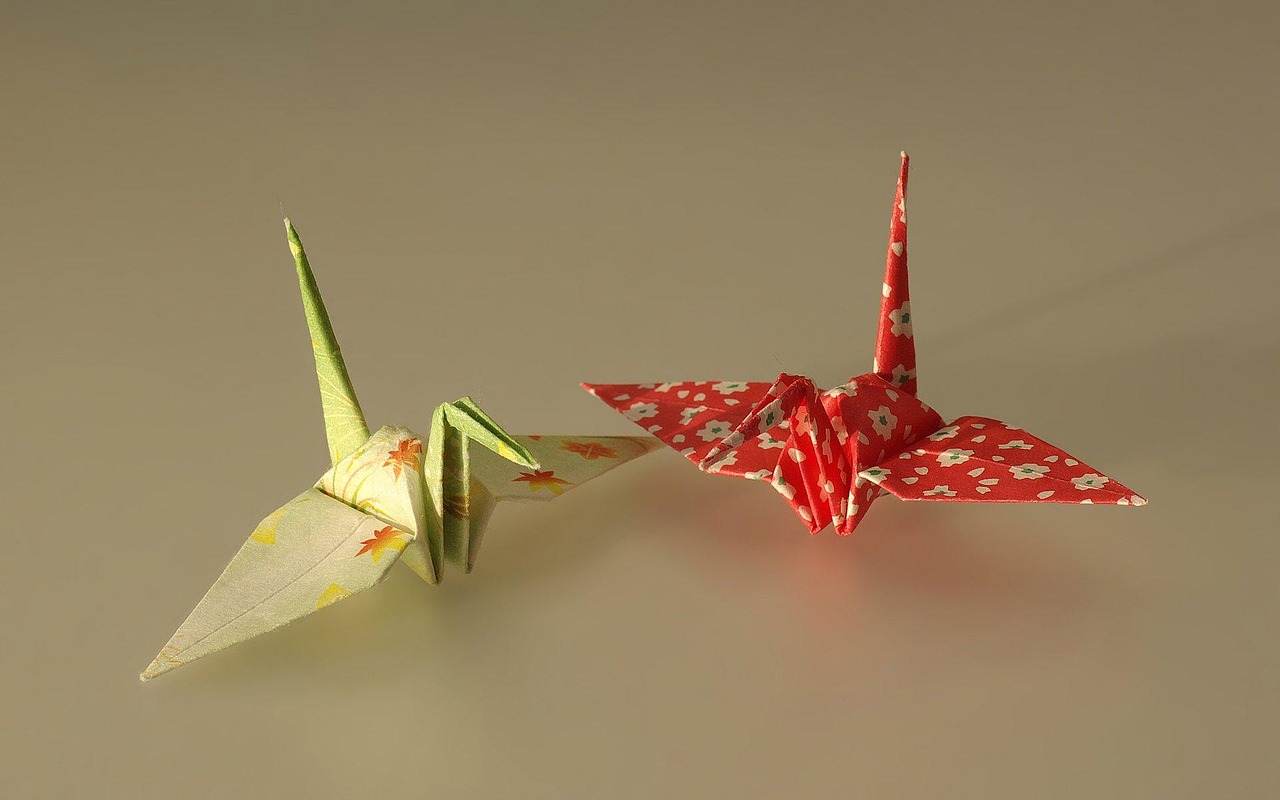
There is a story told across Japan, in slightly different versions depending on whether you are in a fishing village or a mountain town, about a man who finds an injured crane in the snow. He frees it from a trap, carries it to his home, and lets it heal by his fire. Days later, a woman arrives at his door, seeking shelter from a storm. They fall in love, they marry, and they live quietly — until the money runs thin.
The woman offers to weave. She asks only one thing: that he never watch her work. She closes the door, and hours later emerges with cloth so fine and strange it sells for a fortune. Again and again she weaves, and each time the cloth grows more beautiful and the man grows more prosperous. But he also grows suspicious. What kind of woman can make cloth like this behind a closed door?
One night, he peeks. Inside, a crane — thin now, its feathers patchy, its beak bloodied — pulls its own feathers out one by one and weaves them into the loom. The man gasps. The crane turns. And in that moment, both of them understand that the marriage is over. She flies away, and he is left with wealth he cannot explain to anyone.
Why the Tale Still Hurts
Western readers often hear this story as a warning about greed. That reading is not wrong, but it is incomplete. The husband is not punished for wanting money. He is punished for wanting to know. The tale treats curiosity not as a virtue but as a kind of trespass, a refusal to let another person hold a part of themselves back.
In Japanese readings of the story, the emphasis tends to fall on the crane's sacrifice. She plucks her own feathers to keep the household alive. The weaving is not magic in the fairytale sense; it is her body, given up piece by piece. The husband's peek is a failure to honor that gift as it was offered — on her terms, with her dignity intact.
The Modern Retelling We Need
When we retell the crane wife today, it is tempting to make her leave louder, to give her a speech about boundaries on the way out. But the original silence is the point. She does not explain. She does not negotiate. She simply goes, and the man is left to live with what he chose to see.
The story endures because it refuses to comfort us. It suggests that some forms of love require us to accept not knowing, and that the desire to fully possess another person — their secrets, their past, the room where they become themselves — is the thing that ends the story. The crane does not leave because she is angry. She leaves because there is nothing left of her to give.